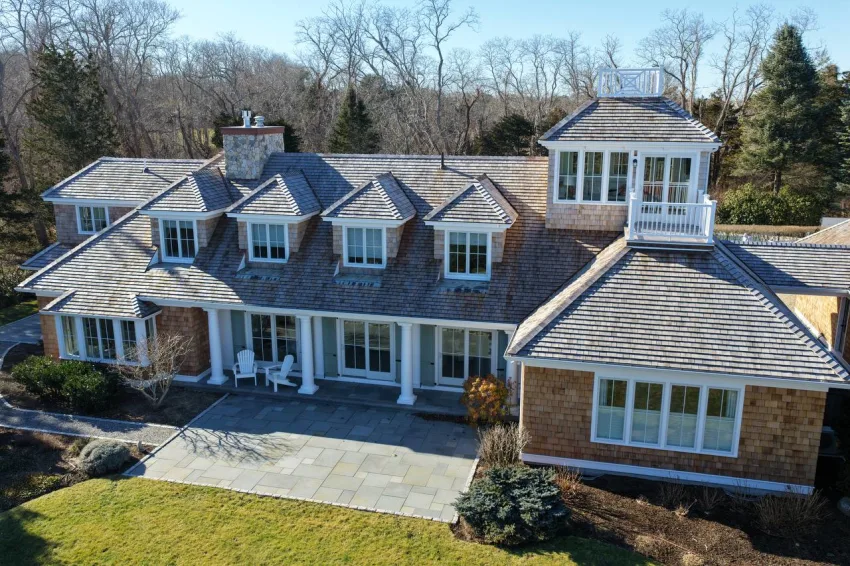
Living near the coast comes with many benefits, but it also means your home’s roof must handle challenging weather conditions. Strong winds, heavy rain, salt exposure, and changing temperatures can gradually weaken roofing materials. Choosing the right approach for roof replacement is essential to protect your property and improve long-term durability. Before starting a project, homeowners often research the new roof cost to understand their options and prepare a realistic budget.
A coastal roof replacement requires more than simply removing old materials and installing new ones. The roofing system must be designed to resist harsh environmental conditions. Wind-resistant materials, proper installation methods, and quality workmanship all play a major role in creating a stronger roof that can withstand coastal storms.
One of the most important tips is to choose roofing materials that are suitable for your local climate. Coastal areas experience moisture and salty air, which can speed up corrosion and material damage. Options like impact-resistant shingles, metal roofing, and other durable materials may provide better protection compared to standard choices. A professional roofing contractor can help determine which materials are best suited for your home.
Another key factor is proper roof installation. Even high-quality materials may fail if they are not installed correctly. Coastal homes need secure fastening systems, strong underlayment, and careful attention to roof edges and vulnerable areas. These details help reduce the risk of wind damage during storms.
How can homeowners prepare a roof for strong coastal winds? The answer is by focusing on the entire roofing system instead of only the visible surface. Roof inspections, improved ventilation, reinforced flashing, and sealed connections can help prevent water intrusion and structural issues. Small improvements during replacement can make a significant difference in the roof’s performance.
Regular maintenance is also important after installing a new roof. Coastal weather can be unpredictable, so checking for loose materials, damaged areas, or signs of moisture problems should become part of your home care routine. Cleaning gutters, removing debris, and scheduling professional inspections can extend the life of your roof.
Another smart consideration is energy efficiency. A well-designed roof can help maintain indoor comfort by reducing heat buildup and improving airflow. Certain roofing materials reflect sunlight better and may help lower energy use during warmer months. This is especially valuable in coastal regions where summer temperatures can be high.
Homeowners should also consider the long-term value of investing in a quality roof replacement. While the initial expense may vary depending on materials, roof size, labor, and design, a properly installed roof can prevent costly repairs later. Focusing only on the lowest price may lead to frequent maintenance problems, while choosing reliable materials and skilled professionals often provides better results.
A coastal roof is one of the most important defenses your home has against the elements. By selecting durable materials, ensuring expert installation, and maintaining the roof regularly, you can create a safer and more resilient home. Smart planning before replacement helps protect your investment and gives you greater confidence when facing strong winds and coastal weather conditions. Cape Cod roofs built to handle storms, salt air and year‑round exposure.
#AnpointExteriors #RoofingCompany #CapeCodBuilder