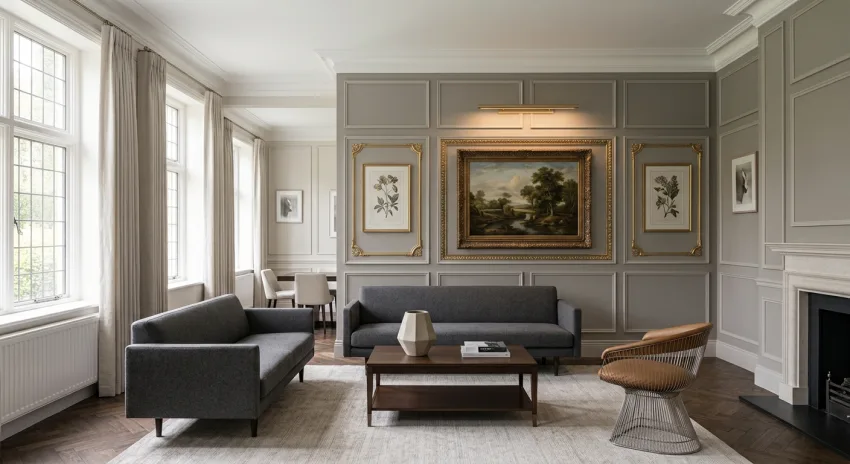
Creating a well-balanced interior involves more than choosing attractive furniture and coordinating colors. The way a room is divided visually can influence how spacious, organized, and comfortable it feels. Decorative wall moldings offer a practical way to define different areas, establish focal points, and introduce architectural detail. With carefully selected polyurethane moldings, homeowners can create distinct zones and maintain a cohesive design without building additional walls or making significant structural changes.
Using Wall Moldings to Define Different Zones
Open-plan interiors often combine several functions within one continuous space. A living room may share an area with a dining table, while a home office might occupy a corner of a bedroom. Decorative molding can help distinguish these areas without interrupting the openness of the layout.
For example, a rectangular molding arrangement behind a sofa can visually establish the living area. A separate panel design near the dining table can create a subtle distinction between the two functions. These decorative boundaries provide structure while allowing natural light and movement to flow freely throughout the room.
The key is to keep the designs coordinated. Using similar profile shapes, finishes, or spacing creates a consistent appearance, even when individual zones have different purposes.
Creating Visual Balance with Symmetrical Panels
Symmetry is one of the simplest ways to create a balanced interior. Evenly spaced wall frames can make a room feel organized and harmonious, particularly when they align with furniture, windows, or architectural features.
In a living room, symmetrical panels can frame a central fireplace or television wall. In a bedroom, a balanced arrangement behind the headboard can establish a focal point and connect the bed with the surrounding furniture. Dining rooms can benefit from repeated rectangular frames that reinforce a formal atmosphere.
However, symmetry does not mean every wall must look identical. A main feature wall can contain larger panels, while adjacent walls use simpler arrangements. This approach maintains visual consistency without making the interior repetitive.
Choosing the Right Profiles for Each Area
The size and style of molding influence how clearly a zone stands out. Wider profiles and more detailed designs can draw attention to important areas, while narrow, understated trim works well for subtle visual divisions.
Traditional interiors may benefit from decorative contours and layered frames. Modern spaces generally look more refined with clean lines and simple geometric shapes. Selecting profiles that suit the architectural style helps ensure that the decorative details feel natural rather than added as an afterthought.
Polyurethane is a useful material for these applications because it is lightweight and available in various shapes and designs. Before choosing a profile, consider the wall dimensions, ceiling height, furniture placement, and the amount of visual detail already present in the room.
Using Color to Strengthen Visual Organization
Color can make wall molding more noticeable or allow it to blend quietly into the background. Painting the trim the same shade as the wall creates subtle depth through shadows and outlines. This approach is particularly effective when zoning needs to remain understated.
Contrasting colors can create stronger visual boundaries. For example, a darker framed wall behind a seating area may distinguish it from a lighter dining space. Nevertheless, the colors should complement the flooring, furnishings, curtains, and lighting.
A consistent color palette helps connect the different zones. Even when the molding patterns vary, repeating a few complementary shades can make the entire interior feel unified.
Planning Layouts for Different Room Sizes
In smaller rooms, simple molding arrangements can define areas without making the walls feel crowded. Large, complicated patterns may compete with furniture and reduce the sense of openness.
Larger interiors offer more flexibility for expansive panels, decorative borders, and multiple framed sections. However, every arrangement should relate to the room's proportions. Accurate measurements and a preliminary sketch help determine suitable panel sizes and spacing before installation begins.
Frequently Asked Questions
Can wall molding separate areas without a partition?
Yes. Different panel arrangements can visually distinguish functional areas while preserving an open layout and allowing light to pass through the space.
Should every zone have a different molding design?
Not necessarily. Repeating a consistent profile and changing the panel arrangement is often enough to establish separate zones without disrupting the overall design.
Bringing Harmony to Your Interior
Decorative wall molding can improve both the appearance and organization of an interior. By combining balanced proportions, thoughtful zoning, suitable profiles, and coordinated colors, homeowners can create spaces that feel purposeful and visually connected. The most successful designs define each area clearly while preserving the harmony of the entire room.
#DecorativeWallMolding #WallDesign